
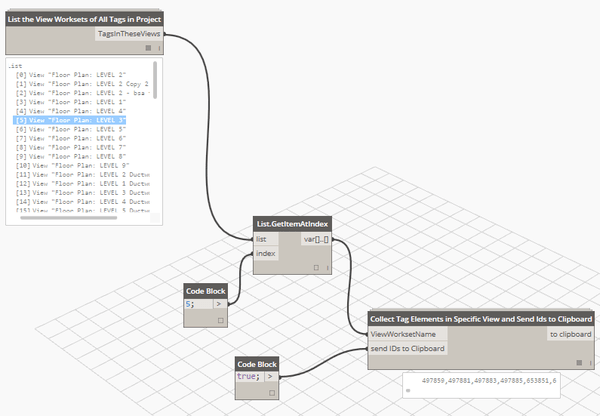
via https://twitter.com/lukeyjohnson/status/623341729073135616
This will query the elements in the model, get their Type, then compare the GUID of a given Shared Parameter against a known GUID.

via https://twitter.com/lukeyjohnson/status/629178849834594304
Takes Revit room Elements and creates Revit floor Elements. Various versions are available, currently at v4.
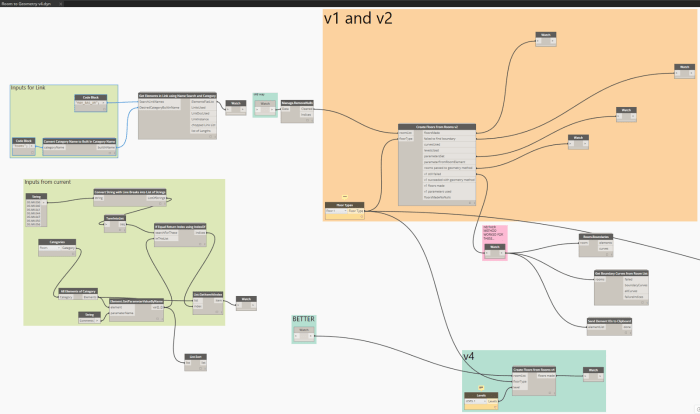
Source: http://whatrevitwants.blogspot.com.au/2015/10/create-floors-from-rooms-across.html
Update:
New version allows traversal of XML sub-elements, as shown below.

Description:
A tool that allows extracting specific data from an XML file.
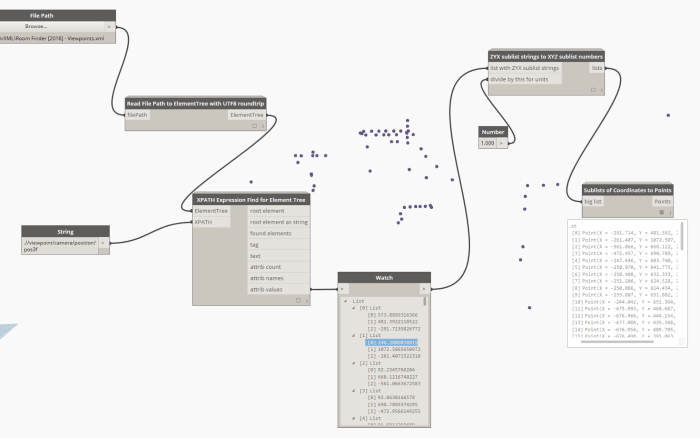
Source: http://whatrevitwants.blogspot.com.au/2015/11/read-xml-files-and-use-in-revit-with.html
Dynamo is a powerful development platform that is gaining popularity.
However, there are often so many ways to add to or modify your Dynamo environment, that it is easy to get lost in the sheer volume of Packages and Nodes that are freely available to the Community!
So here we are…
Dynamo Packages are very easily distributed and accessed from within Dynamo itself, and there are already a plethora of blogs and github pages for individual packages out there. But the one question that often fails to be answered is…
How do I use this particular Node?
There isn’t really a unified place that we can share and discuss specific Nodes: how to use them in a real, practical way.
The goal of this site is to give any Dynamo user a quick-start guide to the use of Dynamo Nodes.
There are only a few basic rules:
To coordinate our efforts and for messaging and group Discussion, an Asana Workspace has been set up at this link. Any active posters will be invited to the workspace.
For file sharing, a Dropbox folder has been set up. Admins at DynamoWorks can request upload access to this folder:
Dynamo Nodes on Dropbox
How does this fit in with the existing Dynamo online community? Like this:
I intend to co-author this site with various professional Dynamo users and developers, to ensure the content is prolific, useful and practical.

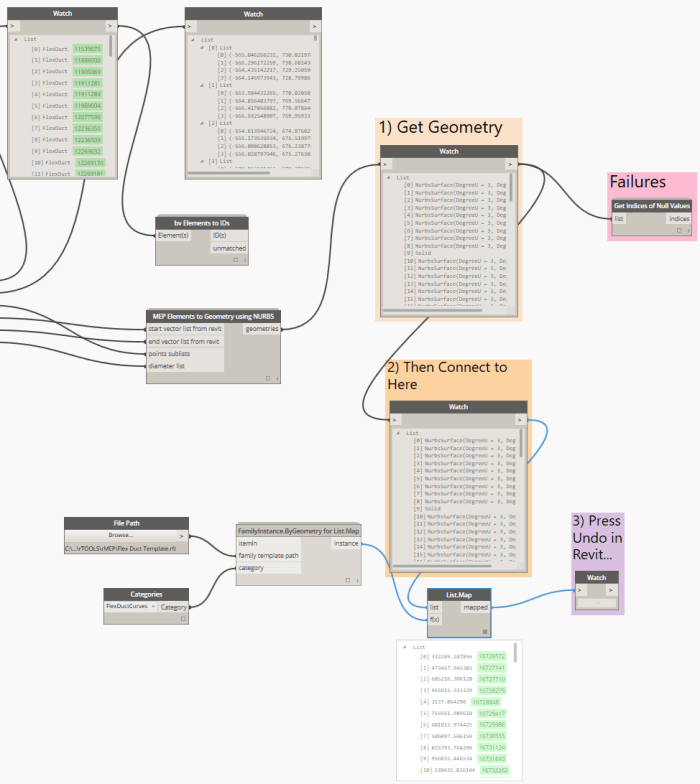
 Dynamo Nodes